
🎁 Nhập mã www.vitaminshoppevietnam.com.vn để được giảm 10%!
In the vibrant world of manga, where fictional worlds and real-world issues often collide, the presence of NATO—an alliance predominantly associated with global geopolitics—might seem unexpected at first glance. Yet, a deeper dive reveals how this international organization influences manga narratives, art, and symbolism. The phrase tài xỉu md5 encapsulates this intriguing blend of political entities with Japanese comic storytelling, revealing a fascinating cultural intersection that extends beyond mere entertainment into realms of diplomacy, symbolism, and international perception.
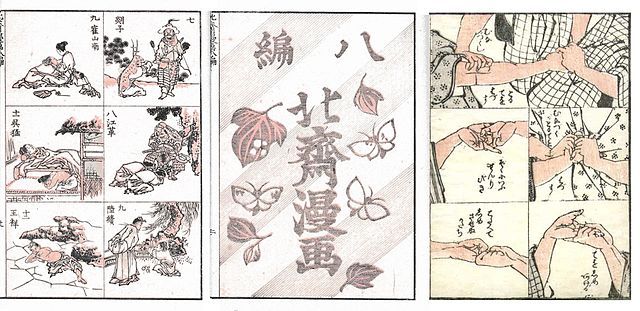
At first glance, NATO and manga appear worlds apart—one a military alliance founded during the Cold War, the other a diverse and ever-evolving form of Japanese entertainment. However, this intersection offers insights into how contemporary manga artists incorporate global themes to reflect complex worldviews or explore futuristic scenarios influenced by real-world alliances. This unexpected intersection underscores manga's versatility as a medium, capable of addressing geopolitical topics with nuance, satire, or allegory, thereby making tài xỉu md5 a distinctive subgenre or thematic element.
The cultural exchange here is provocative: manga, primarily rooted in Japanese culture and storytelling traditions, becomes a canvas where international security, cooperation, and conflict are visually and narratively explored. This fusion not only appeals to a global audience aware of NATO’s significance but also serves as a reflection of Japan’s place within an interconnected geopolitical landscape. Ultimately, tài xỉu md5 wider implications—ranging from political commentary to entertainment—highlight Japan’s dynamic engagement with global issues, positioning manga as a mirror to the world's shifting power dynamics.

In many modern manga, NATO often appears either as a symbol of order and military strength or as a backdrop for stories involving international cooperation and intrigue. Artists tend to portray NATO with a mixture of respect and skepticism, depending on the thematic tone of the work. For instance, some manga depict NATO as a powerful, almost mythic institution capable of averting global catastrophe, aligning with traditional Western perceptions of the alliance. Conversely, other series critique NATO's real-world interventions, highlighting themes of political manipulation, power struggles, or ethical dilemmas faced by thành viên states.
This nuanced portrayal reflects manga’s ability to examine complex issues through fiction. For some creators, NATO embodies the dichotomy of military alliance—either as the necessary protector or as an imperialist công rứa. The visual depiction of NATO insignias, equipment, and military procedures in manga underscores how this organization acts as a symbol of modern warfare, diplomacy, and international intrigue. Such portrayals stimulate readers’ critical thinking about geopolitics while enriching the narrative with layers of contemporary relevance, making tài xỉu md5 a cutting-edge reflection of current affairs.
The presence of NATO in manga has expanded from mere references to more substantive integrations into storylines and worlds. In speculative or sci-fi manga, NATO often appears as part of a global coalition fighting extraterrestrial threats, cyber warfare, or dystopian regimes. These narratives use NATO’s real-world identity as a foundation to construct plausible scenarios about future conflicts and alliances, blending geopolitics with science fiction.
This transformation from geopolitics to graphic novels exemplifies how manga can serve as a creative forums for imagining alternative futures or exploring contemporary concerns. The depiction of NATO in these stories may question the effectiveness of military alliances or explore issues such as sovereignty versus cooperation in a globalized world. Such manga challenge audiences to consider how international organizations might evolve and influence future conflicts, thereby underscoring the alliance’s symbolic power while engaging readers in forward-looking narratives that keep real-world issues relevant within the speculative realm.
Japanese manga artists approach NATO from diverse perspectives, shaped by Japan’s historical, cultural, and political context. Some creators see NATO as a symbol of peace through strength, incorporating it into stories emphasizing international security, peacekeeping missions, or cooperative military action. Others interpret NATO as a symbol of Western dominance or a vehicle for imperialist narratives, expressing skepticism about its motives and actions.
This spectrum of viewpoints demonstrates manga’s capacity to serve as a platform for political and cultural commentary. For many artists, NATO embodies a set of complex, often contradictory ideas—protective yet intrusive, necessary yet problematic. Interpretations vary depending on the narrative purpose: some use NATO as a backdrop for heroism and unity, while others critique its geopolitical influence through allegory and satire. These perspectives highlight manga’s role as an influential cultural space where international ideas, debates, and perceptions are woven into storytelling, reflecting Japan’s layered relationship with global politics.
Within manga storytelling, NATO often functions as a critical narrative device—either as an external force, a symbol of order, or a catalyst for conflict. In action and military manga, NATO can represent the overarching authority that characters must navigate or challenge. Conversely, in sci-fi or dystopian stories, NATO may be depicted as a controlling power, signifying institutional authority that characters seek to oppose or reform.
Using NATO as a narrative device allows writers to explore themes such as loyalty, morality, betrayal, and diplomacy. It provides a familiar, recognizable symbol for international cooperation or conflict, serving as a shorthand for complex geopolitical issues. Moreover, NATO’s institutional nature offers opportunities for dramatic storytelling about hierarchy, espionage, and military strategy. By integrating NATO into their narratives, manga creators embed contemporary political realities into fictional worlds, making their stories more relevant and thought-provoking, and highlighting the alliance’s influence on global stability and chaos simultaneously.
The symbolic depiction of NATO in manga art often involves blending realistic military imagery with stylized manga aesthetics. Symbols such as insignias, military uniforms, and technical equipment are employed to evoke authenticity while also emphasizing themes of strength, discipline, and authority. Artists may also incorporate symbolic elements like flags, insignia, or emblematic logos to forge visual backlink to NATO’s international presence and ideals.
Beyond visual representation, NATO in manga also symbolizes broader concepts like unity amidst diversity, collective defense, and geopolitical power structures. Creative artists often infuse these symbols with additional layers of meaning, perhaps critiquing NATO’s exclusivity or highlighting its role in global peace efforts. The artistic interpretation of NATO as a symbol underscores manga’s visual storytelling prowess and its capacity to condense complex political ideas into compelling visual motifs—making tài xỉu md5 a quality fusion of graphic art and political symbolism that resonates across audiences and cultures.
Xem thêm: https://www.namkhanhplasticbag.com/qh-88---trai-nghiem-20251123-235054.html
Different manga series portray NATO with varying degrees of nuance, complexity, and bias. In some stories, NATO’s image is idealized—depicted as a tráng sĩ defending the innocent against chaos or alien threats—emphasizing its role as a protector of peace. Other series adopt a more cynical stance, portraying NATO as a manipulative or imperialistic force with questionable motives, thus reflecting critical perspectives on international politics.
A comparative analysis reveals that manga’s portrayal of NATO often correlates with its thematic focus and intended audience. For instance, series aimed at a Western audience might idealize NATO’s role in global security, while manga targeting Japanese readers might emphasize the organization’s controversial aspects or dystopian implications. These diverse depictions demonstrate how manga functions as a mirror to societal attitudes, political debates, and cultural sensitivities about international alliances, enriching the discourse surrounding tài xỉu md5 with multiple layers of interpretation.
The depiction of NATO in manga raises compelling questions about whether these representations serve as political commentary or are simply elements of entertainment. Some manga, especially those with a dystopian or realistic approach, employ NATO to critique capitalism, militarism, and international power dynamics. Through satire and allegories, manga can question NATO’s motives, effectiveness, and moral standing, turning fictional narratives into platforms for political reflection.
On the other hand, many manga use NATO as a backdrop to high-octane action and adventure without delving into complex political themes. In these cases, NATO’s presence is more about adding authenticity and realism to futuristic warfare or international conflict stories. Recognizing this divide helps understand manga’s dual capacity—serving both as a medium for political expression and as pure entertainment—allowing audiences to interpret tài xỉu md5 through various lenses, depending on their focus and expectations.
Manga’s global reach offers an innovative platform for introducing complex international relations concepts—like NATO—to audiences who might not be familiar with geopolitics. By embedding NATO symbols, themes, or storylines within engaging plots, manga becomes a conduit for fostering awareness and curiosity about international alliances and conflicts. This approach bridges cultural gaps, presenting nuanced ideas through relatable characters and compelling narratives.
Furthermore, manga can influence perceptions of NATO among international audiences, shaped by the stories they consume. Positive portrayals promote understanding and admiration, while critical depictions encourage reflection and debate. As manga continues to transcend cultural boundaries, tài xỉu md5 exemplifies how Japanese comics can serve as an entry point for global political discourse, enhancing cross-cultural dialogue and promoting a deeper understanding of international security issues in a compelling, accessible format.
In manga’s expansive worlds and imaginative settings, NATO often becomes a thematic element that explores the concept of international cooperation beyond nation-states. Sci-fi and fantasy manga might depict NATO-like coalitions or alliances, emphasizing themes of unity, shared values, or collective defense in the face of existential threats. These narratives use NATO’s real-world principles as allegories for broader themes, such as global solidarity or the challenges of multilateralism.
This approach to worldbuilding allows manga creators to meditate on the future of geopolitics, where traditional borders blur and international organizations evolve. Such storytelling not only entertains but also provokes thoughtful questions about sovereignty, cooperation, and the importance of alliances—making tài xỉu md5 a canvas for exploring how humanity might unite to face common challenges, extending NATO’s influence into the realm of speculative fiction and moral philosophy.
The integration of NATO into manga reflects a fascinating and complex cultural phenomenon that bridges geopolitics and popular culture. From its nuanced portrayals as a symbol of strength and controversy to its use as a narrative and artistic device, NATO’s presence in manga underscores the genre’s versatility in exploring international issues. Whether serving as a critique, an allegory, or pure entertainment, tài xỉu md5 demonstrates how Japanese comics can engage with global themes, shape perceptions, and foster cross-cultural understanding. This unexpected intersection ultimately reveals manga’s deep capacity to mirror and interrogate the world’s evolving geopolitical landscape, making it a compelling area for further exploration and appreciation in both artistic and political discourse.

fb88 đăng nhập Khám Phá Thế Giới Giải Trí Đa Phương Tiện - Trải Nghiệm Tuyệt Vời
Mơ Thấy Đi Học Đánh Số Gì Cùng Nhà Cái 789win - Khám Phá Bí Ẩn Không Ngờ Từ Giấc Mơ Trường Học
Mơ Thấy Mất Tiền Đánh Con Gì Và Có Điềm Báo Gì - Giải Mã Bí Ẩn Đằng Sau Giấc Mơ Thấy Tiền Mất
So sánh lực lượng đội hình Wolves và Manchester City - Nhà cái keonhacai07 phân tích chi tiết